

Eskimo
The Inuit lived for as long as 10,000 years in the far north of Canada, Alaska, and Greenland and likely come from Mongolian Bering-Strait travelers. They ate an all-meat diet of seal, whale, caribou, musk ox, fish, birds, and eggs. Their nutritional transition to civilized plant foods spelled their health demise.

Recent History
January 1, 1954
Observations on Blood Pressure in Eskimos

When comparing the Eskimo men with white men of corresponding age, it is observed that both the systolic and diastolic blood pressures are lower in Eskimos than in Whites. It appears to be the impression of most physicians who have had occasion to examine large numbers of Eskimos, that the blood pressure in Eskimos is lower than in normal Whites of corresponding age.
It appears to be the impression of most physicians who have had occasion to examine large numbers of Eskimos, that the blood pressure in Eskimos is lower than in normal Whites of corresponding age (P. B. Haggland, M. D. , E. S. Rabeau, M. D. , and E. Albrecht, M. D. , personal communications). Abnormally elevated blood pressures (systolic blood pressure in the order of 170 mm or higher) are apparently quite rare. Thus, in the 213 Eskimo patients who were subject to medical examination by the author during a two-year period in Alaska, the blood pressure was measured in 1 17 cases, and only one of the patients had systolic blood pressure above 145 mm.
In contrast to this, Saxtorph (quoted by A. Bertelsen, 1940) reported in 1926 that he had seen a considerable number of cases of hypertensio arterial is, both in old and middle-aged Greenland Eskimos. In 12 cases he measured blood pressures between 200 and 240 mm.
Thomas ( 1927) on the other hand examined 142 Greenland Eskimos, 40-60 years of age, and found the average blood pressure to be 129/76 mm, with a single case of 170/ 1 00. He concluded that hypertension with associated complications is extremely rare among Eskimos.
Holbeck (quoted by Bertelsen, 1940) has reported that the average systolic blood pressure in Greenland Eskimos, between 40 and 55 years uf age, was 141 in men and 131 in women. According to Bertelsen ( 1940) Svendsen examined, in 1930, the blood pressure of 106 Eskimos taken at random, some of whom had active pulmonary tuberculosis. He made the following findings: 15-30 years of age: 120/70 mm; 30-50 years ()f age: 137/77 mm; 50 years of age or over: 167/82 mm. Bertelsen (1940) concludes, on the basis of his experiences in Greenland, that the average blood pressure does not appear to deviate from that of Whites of corresponding age.
Probably the most extensive study of Eskimo blood pressure has been reported by Hoygaard (1941). He measured the blood pressure systematically of 283 Angmagssalik Eskimos, South East Greenland, of both sexes, living on their primitive diet, using the standard technique in lying or sitting position at least one hour after exercise. He found no material difference between males and females. Twelve persons out of 283 (4%) had a systolic blood pressure of 150 or higher; only two subjects had as much as 168 mm Hg. (Table 1). He concludes that hypertonia is not common.
According to MacMillan ( 1951) Or. E. Morse found no instance of high blood pressure among the Thule Eskimos during the Bowdoin's voyage to Greenland in 1950.
In the case of Canadian Eskimos, Brown (1 951) states with regard to the Southampton Island and the Igloolik Eskimos: "Arterial hypertension has also been found both in the group at Southampton Island and in the group at Igloolik." However, in the 63 Eskimos living in the vicinity of Chesterfield Inlet (30 males and 33 females) examined by Crile and Quiring ( 1939) the average blood pressure in the males (average age 38 years) was: systolic pressure 1 19 mm, diastolic pressure 75. In the females (average age 31 years) the figures were 1 12 and 72 respectively. The average pulse rate was 62-69 in the males and 79-82 in the females. These authors conclude that "the blood pressure for both the males and the females is lower than that of Whites of corresponding age, the pulse rate corresponds rather closely to that of White individuals".
Heinbecker (193 1) reports an average pulse rate of 64 in 5 Eskimos (4 females and 1 male, 15-50 years of age) from Baffin Island. Bollerud, et at. ( 1950) report an average pulse rate of 58 in their 23 male St. Lawrence Island Eskimos, 17--41 years old.
In connection with extensive studies on the patho-physiology of Eskimos which were in progress at the Arctic Aeromedical Laboratory as part of a survey of human adaptation to cold, we had an opportunity of recording various physical and physiological measurements during a two-year period 1950-1952. In this paper we are only concerned with blood pressure. pulse rate and age.
4. Results and Discussion.
The results from all 104 Eskimo subjects of both sexes are presented in Table 2. The average age is just over 29 years, but the ages vary widely from 3 to 75. However, of the 104 subjects, 73 were between 15 and 40 years old and only 13 were below 15 years.
From this table it is observed that the pulse rate at rest, when considering the mean figure for all observations in each subject, is 71 beats per minute, but the figures show considerable individual variations. If only the final reading is considered, the mean value is 67 beats per minute, ranging from 44 to 120. The average systolic and diastolic blood pressures in Eskimos of both sexes, when considering the mean values of all readings in each subject, were 110 and 71 respectively. The mean values of the final blood pressure readings obtained when the lower level was established after several repeated examinations, were slightly less, the systolic pressure being 107 and the diastolic pressure 69. The range of these measurements is considerable.
Thus the resting systolic blood pressure varies from a minimum value of 84 to a maximum value of 140; the diastolic blood pressure varies from 56 to 100. Only one subject, a 14-year old boy, showed as high an average value for the systolic blood pressure as 140. No systolic blood pressure higher than 162 mm was recorded in this series. 80.76 o/c of the recorded systolic blood pressures were below 116 mm.
Table 3 shows the results of similar measurements in 40 normal white men examined in Alaska by the same investigator. In this material the average age is 23 years. It appears that the figures for pulse rate are very similar to the corresponding figures for Eskimos. The mean figures for blood pressure are higher than in the Eskimos, both in the case of systolic and diastolic pressure, and in the case of both the mean values of all observations as well as in the case of the final values, recorded when the lower level had been established as the result of repeated examinations. It is observed that the figures, both for pulse rate and blood pressure in these White subjects, are lower than the figures published by McKiniay and Walker (1935) for 566 normal white men with a mean age of 23.2 years. The difference is over 5 times the standard error, both in the case of pulse rate and blood pressure.
The wide range of "normal" variations in blood pressure in Whites, has been emphasized by McKinlay and Walker (1935). According to American sources the average values for systolic pressure in healthy males, as measured in the brachial artery with the individual at rest, vary from 100 to 120 in early manhood, from 125 to 136 in the middle years of adult life, and from 145 to 150 above the age of sixty years.
The range of individual measurements. however, may show much wider variations. Alvarez, quoted by McKinlay and Walker (1935), found that the systolic blood pressure in 6,000 University students and graduates between the ages of 16 and 40 years may be as low as 85 mm or as high as 190 mm. He concludes that 22 per cent of men have a systolic blood pressure exceeding 140 mm and that one man in every forty has Cl systolic blood pressure higher than 160 ml. According to Diehl and Sutherland (1925), nine per cent of male students, 16-40 years of age, at the University of Minnesota had blood pressures over 140 mm. None of our Eskimo men, 15-40 years old. had mean blood pressures over 140 ml.
As a rule, the lowest blood pressure readings were obtained at the fourth examination in Whites, but ne,t until the fifth examination in Eskimos.
McKinlay and Walker (1935) had examined the variability and interrelationship of heart rate, systolic and diastolic blood pressure, pulse pressure and age in healthy men of ages ranging from 16 to 40. They conclude that within the period of life studied, age is not of great importance in determining the level of any of these factors. They find definitely significant, positive relationship between age and both systolic and diastolic blood pressure. but in such a degree as to form anything like a reasonably accurate basis for prediction. They find positive, but not very intimate, association between heart rate and blood pressure.
In Tables 4, 5 and 6 our data are separated into three age groups: 15-25 years, 26-40 years, and over 40 years old.
Twenty-five of the male Eskimos were between 15 and 25 years old. the average age being slightly over 21 years in this group. The same number of male Eskimos fell in the second age group: 26-40 years, the average age in this group being 33 years. Only twelve of the male Eskimo subjects were over 40 years old.
There is no difference in the mean value of all readings in each subject for the 15-25-year-old group as compared with the 26-40- year-old group, but the mean value for the group over 40 years old is higher than the first two groups. The difference is 4 times the standard error, and is therefore probably statistically significant.
The data for the 29 Eskimo women, divided into the three age groups: 15-25 years old (12 subjects), 26-40 years old (11 subjects), and over 40 years old (6 subjects), are given in Table 5. On the basis of this limited material it appears that the average blood pressure in Eskimo women is somewhat higher than in Eskimo men, but this difference is not statistically significant. There is also a tendency towards increased blood pressure with increasing age in Eskimo women.
Of the 40 white men, 34 fell into the first age group (15-25 years) and 5 in the second age group (26-40 years) while only one subject was over 40 years old. If we compare these white men with Eskimo men of corresponding age, it is observed that the average blood pressure is slightly higher in Whites than in Eskimos but the difference is too small to be significant statistically (less than 3 times the standard error). The mean of the lowest measured blood pressure in each subject in the first age group is considerably lower in Eskimos than in Whites, however. The difference is about 4 times the standard error, and may be statistically significant. The number of subjects is too small, nevertheless, to allow any definite conclusion to be drawn from this material.
It should also be noted that a larger proportion of the blood pressure measurements were recorded in the lying position in the Eskimos (70 C,c) than is the case in the Whites (25 o/c) and since the blood pressure tends to be lower in the lying position (Tables 7 and 8), this may partly account for the difference, although the difference between sitting and lying blood pressure in Whites in this material is not significant statistically. Thus, in Whites 15-25 years old, the difference between the means for sitting and lying systolic blood pressure is 5 mm, which is less than twice the standard error, as is also the case when comparing the diastolic blood pressure in the sitting and lying position. However, out of the 24 lowest measured blood pressures in Whites 15-25 years old, 76.47 per cent were measured in the lying pOSitIOn, and of the highest measured blood pressures in the same subjects, 97.06 per cent were measured in the sitting position. It may be noted however that in Eskimos the difference between sitting and lying blood pressure is about 3 times the standard error.
In Whites 15-25 years old, the mean pulse rate is 72 measured sitting, and only 58 when measured lying. The difference is 4 times the standard error, and may therefore be considered significant in a statistical sense, although the number of observations is very small. The range of the pulse rate measured sitting is 68-86, against 51-67 measured lying.
From Table 10 it appears that the Kotzebue and Gambell Eskimos in the age group 26-40 years have a lower mean blood pressure than the corresponding age groups from Anaktuvuk Pass and Barter Island. The difference between the Gambell and the Anaktuvuk Pass groups (the groups showing the most pronounced difference), as regards the means of the lowest measured blood pressures, is 12 mm, and the standard error is 3.20. Thus, the difference is over three times the standard error. However, the material is too small to allow any conclusion. No significant difference was detected in the blood pressure in Eskimos 15 -25 years old from the 4 different settlements (Table 9).
5. Summary and Conclusion.
735 blood pressure and pulse rate measurements were made in a consecutive series of 104 Eskimos (75 males and 29 females) from 4 different Eskimo settlements in Alaska. Similar measurements were made in 40 normal white men for comparison.
In Eskimos the mean resting systolic blood pressure varied from a minimum value of 84 to a maximum value of 140. No systolic blood pressure higher than 162 mm was ever recorded in our Eskimo subjects. 80 o/c of the recorded systolic blood pressures were below 1 16 mm. The mean diastolic blood pressures varied from 56 to 100. In Eskimos the mean blood pressure is somewhat higher in women than in men of corresponding age although the difference is not statistically significant, and there is a tendency towards increased blood pressure with increasing age.
In Eskimo men the mean blood pressure was 108/69 at ages 15-40 years, and 119/77 above 40 years of age. In Eskimo women the figures were 111/71 and 122 /74 respectively. When comparing the Eskimo men with white men of corresponding age, it is observed that both the systolic and diastolic blood pressures are lower in Eskimos than in Whites. This difference appears to be statistically significant in the case of the lowest measured blood pressure in each subject in the two groups. The mean pulse rates in Eskimos at rest were not materially different from the corresponding figures for Whites.
January 1, 1954
Preliminary Survey of Dietary Intakes and Blood Levels of Cholesterol and the Occurrence of Cardiovascular Disease in the Eskimo.

Very little exact information is available regarding the occurrence of arteriosclerosis in Eskimos. None of the 16 Eskimos analyzed here showed any evidence of arteriosclerosis by clinical or roentgenological examination, and cardiovascular disease was extremely rare among the large number of Eskimo patients examined by the author during a two-year period in Alaska.
4. Discussion.
Since hypertension in man has been stated to be typically associated with increased incidence and severity of atherosclerosis (Katz and Stamler, 1953), it would be of interest to compare the incidence of hypertension in Eskimos with that of Whites although the interrelationship between hypertension and atherosclerosis is by no means clear. In a survey of 104 Alaskan Eskimos the author found that both the systolic and diastolic blood pressures were lower in Eskimos than in Whites of corresponding age. Eighty per cent of the recorded systolic blood pressures were below 116 mm Hg. and no systolic blood pressure higher than 162 mm was ever recorded in our "normal" Eskimo subjects. In a series of 117 Eskimo patients, only one of the patients had systolic blood pressure above 145 mm (a 60-year old woman having a blood pressure of 200/80 mm) (Rodahl, 1954). It may be noted in this connection that Alexander (1949) found hypertension to be practically non-existent among Aleuts, and his electrocardiographic and clinical examination of 296 Aleuts, including 23 above the age of 60, revealed almost no cardiovascular disease.
Gotman et al. (1950) have found that some hypertensives show elevated plasma concentrations of Sf 10-20 lipoproteins even if the blood cholesterol concentration is normal, although these changes in the "giant molecule" levels are not correlated with the degree of hypertension.
Very little is known regarding the plasma lipids in Eskimos, and the plasma lipid studies in Eskimos so far reported have yielded inconsistent data. This may not be surprising when considering the wide range of conditions, dietary and otherwise, encountered in the different groups of Eskimos. Corcoran and Rabinowitch (1937) who studied two groups of Canadian Eskimos, one group subsisting on a meat diet and one group subsisting on a mixed diet, found in both groups lower concentrations of plasma lipids and of cholesterol than the normal values for Whites, and the meat group had slightly higher plasma lipid levels than the group on a mixed diet. In this connection it may be noted that serum cholesterol in Whites is decreased in severe caloric undernutrition (Keys, 1953-b). Periods of semi-starvation may occur among the Eskimos, which thus may affect the blood lipid levels. Sinclair et al. ( 1949) have reported plasma lipid findings in the Canadian Eskimos that are similar to the figures considered normal in Americans. Wilber and Levine (1950) found moderately elevated plasma lipid levels of Alaskan Eskimos. It may also be noted that Alexander (1949) found mean plasma cholesterol levels of 176-197 mg/l 00 ml in two groups of Aleuts.
In view of the small number of Eskimos examined in the present study no definite conclusion can be drawn from this limited material. These preliminary investigations indicate, however, that while some Eskimos, such as the Nunamiuts, may have very high cholesterol intakes, the average figures for dietary cholesterol and fat for the four Eskimo groups examined are comparable to those of the average American man; their blood cholesterol levels are the same, while the Sf 12-20 lipoproteins (Gofman fraction) were lower in concentration than Whites of corresponding age. If it were convincingly demonstrated that the Eskimos in reality have a lower incidence of cardiovascular disease than Whites, it would appear that these findings support Gofman's postulates that the high concentration of the cholesterol-bearing protein molecules are associated with atheroclerosis.
It should be noted, however, that very little exact information is available regarding the occurrence of arteriosclerosis in Eskimos. None of the 16 Eskimos analyzed here showed any evidence of arteriosclerosis by clinical or roentgenological examination, and cardiovascular disease was extremely rare among the large number of Eskimo patients examined by the author during a two-year period in Alaska. Similarly, Dr. Paul Haggland, who has operated on a large number of Eskimos in Alaska during the last 15 years, has never seen arteriosclerosis or atherosclerosis in Eskimos (personal communications). He had the occasion to perform autopsy on one female and two male Eskimos, aged 60-65 years, and found no arteriosclerosis. Dr. Earl Albrecht, Territory Commissioner of Health, states that arteriosclerosis is rare in Eskimos, based on clinical evidence (personal communications).
Bertelsen (1940) is, on the other hand, of the opinion that arteriosclerosis is fairly common in Greenland, particularly if one considers the average span of life for the Greenland Eskimos. Hoygaard (1941) writes with regard to the Angmagssalik Eskimos, Southeast Greenland, that "arteriosclerosis was frequently found even in persons below 40".
Brown (1951) states with regard to the Southampton Island Eskimos and the Igloolik Eskimos: "We have found well-marked general arteriosclerosis and also coronary heart disease proved by electrocardiogram and, in one case, by post mortem. Some of the cases of coronary heart disease were in congestive failure."
During our study of the patho-physiology of the Alaskan Eskimos from 1950 to 1952, x-rays were taken of the chest and extremities of 84 Eskimos, using a portable x-ray apparatus. All chest x-rays were taken at a distance of 180 cm; all x-rays of the limbs (left arm and left leg) were taken at a distance of 90 cm. Professor Johan Torgersen, Institute of Anatomy, Oslo University, has very kindly examined all these roentgenograms, with a particular reference to possible roentgenological evidence of arteriosclerosis and other cardiovascular abnormalities. He finds, as a typical feature of all roentgenograms examined, that the bone structure in the Eskimo is unusually massive with sharply defined, well-calcified bone lamellae. The muscle attachments are as a rule very large. The occurrence of arthritis deformans is no less frequent in these Eskimos than in Whites of similar age (:5 cases in 84 Eskimos, 51 males and 33 females, with an average age of 28 years). Four Eskimo subjects at Barter Island had cartilaginous exostoses on the tibia (fig. 2).
From this material (see Table 5) it appears that the occurrence of roentgenological evidence of arteriosclerosis in these Eskimos is neither more nor less than what one would expect to find in Whites of similar age groups. Out of 9 Eskimos over 47 years of age, roentgenological evidence of atherosclerosis of the arch of the aorta was detected in 3 cases, 2 males and 1 female. Of the entire material one Eskimo showed calcium deposits in the arteries (see fig. 1). In one 60-year old Eskimo woman with a blood pressurc of 200/80, thcre was slight enlargemcnt of the left ventricle of the heart. It is thus evident that further studies are necessary in order to settle the question of arteriosclerosis in the Eskimo and the relation between dietary cholesterol, serum cholesterol levels and cardiovascular disease ill these people.
5. Summary and Conclusions.
The cholesterol content of some common Eskimo foods has been determined and the serum cholesterol level as well as the serum concentration of Sf 12-20 lipoproteins in 16 healthy Alaskan Eskimos are reported. On the basis of these preliminary data it appears that some Eskimos have high cholesterol intakes compared with healthy American men, but that their blood cholesterol levels are the same. On the other hand, the Sf 12-20 lipoproteins in Eskimos are lower in concentration than in Whites of corresponding age. From the available evidence it appears that the incidence of cardiovascular disease among the Alaskan Eskimos may be lower than in whites. A more complete analysis of this problem is in progress.
January 1, 1956
The Canadian Medical Association Journal of Toronto for 1956 (LXXV, 486-88)

Copper Eskimos still didn't have breast cancer or cystic disease from 1946-1956 and were the last to Europeanize.
That the cancer incidence has continued low in the Canadian eastern Arctic — east of Anderson River and west of Labrador — is to be inferred from an article in The Canadian Medical Association Journal of Toronto for 1956 (LXXV, 486-88) signed by Drs. Lawson, Saunders, and Cowen, which says:
“For the past 10 years we have been aware of the relative freedom of Eskimos [of the Canadian eastern Arctic] from breast cancer and cystic disease. In spite of strenuous efforts, we have so far been unable to discover one authenticated case of Eskimo breast malignancy.”
January 1, 1957
Vilhjalmur Stefansson
Rare Footage of Vihljalmur Stefansson the Arctic Explorer.
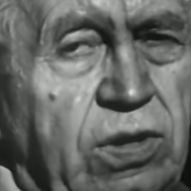
Vilhjalmur Stefansson appears on a television interview to talk about his balanced all meat diet of protein and fat.
Question: "Let's get to the fod. You must have longed for a green vegetable once"
VS: "I had to become a guest of the Eskimos and for four and a half months, I lived on literally nothing but fish and water, well, we had some blubber, some polar bear blubber, but apart from that, and at the end of four and a half months I was healthier than I ever been before. I'm enjoying every meal and feeling fine.
And this is on an exclusive meat diet?
Exclusive fish in this case. I have since then spent more than six aggregated years on red meat. That is seal meat, caribou meat, musk-ox meat, polar bear, grizzly bear and so on. You have to have fat with the lean, as lean and fat together make a perfect and balanced diet. You have everything you need if you have lean and fat. You don't need to eat organs. That's a curious folklore. People don't eat the organs except in emergencies.
February 19, 1957
Griest Letter
Mrs. Griest never found a case of breast cancer among Eskimo natives.
Toward the end of her first letter to me, the one dated February 19, 1957, having dealt already with the case of Jobe, Mrs. Greist goes on to discuss a form of cancer that is frequent among whites in Europe and North America, breast cancer in women. The letter says:
“This I know, we never found any women with lumps in their breasts. I never knew, in all my 17 years of nursing in the hospital with Dr. Greist, of a single woman who did not breast-feed her child, and nurse it for 2, 3, and up to 4 years ... I never observed a caked breast or a sore nipple.”

